

In Shallow Seas We Sail
Piracy. Sounds awesome doesn’t it? It conjures up images of Johnny Depp sailing the high seas; dreadlocks blowing in the wind while an epic sword fight erupts on the deck. In our day and age a new type of piracy has replaced sailing the seas with surfing the internet, but the fighting certainly continues.
With SOPA fresh in our minds, and CISPA recently passing through the House, battle lines are being drawn between media corporations and digital and civil rights groups. One side is claiming intellectual property violations while the other does not want their civil liberties violated with censorship of the internet.
Someone like myself who has studied law can look at both sides of the argument with sympathy. I certainly agree with one side more, but I can see the argument for both, from a legal standpoint. However, I have been asking myself is this really the argument we should be looking at when it comes to the issue of internet piracy.
I believe censoring the internet is wrong. It’s un-American, and I believe it to be unconstitutional. But whatever the government decides to do on this issue I think we need to ask ourselves can internet piracy be stopped?
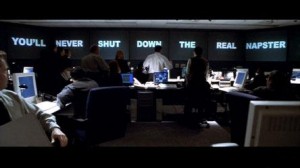
Every time one piracy site gets shut down, after months and months of investigation and litigation, another dozen sites pop up on the internet. Every time new anti-piracy technology comes out in DVDs, CDs, and MP3s, programs are written to remove these new protections before they even hit the shelves of stores. Even if every piracy site on the internet was shut down (which is an absolutely impossible task for a slow-moving government such as our own) what is stopping me from buying the new Tupac Hallogram Tour DVD and burning hundreds of copies of it for my friends and fellow rap fanatics.
If the task of stopping piracy, or even slowing it down, is so impossible, why is the American government wasting so much time and money on the issue. I’m sure it’s out of some sort of misguided sense of justice and has nothing at all to do with the millions of dollars spent lobbying the government by media corporations in the past couple of months.
It’s not that I don’t sympathize with the media groups. I just don’t see them getting hurt as badly as they claim by piracy. There are more professional bands and artists now then there ever have been in history. The movie industry is still putting out absolutely horrible movies and remakes/new takes on classics (apparently they are allowed to borrow intellectual property) that people are paying to see and rent.
We live in a new technological age. It’s up to these media groups to adapt. Sure it’s not the time to open a Tower Records, but that industry would have been killed by absolutely legal technology such as iTunes and Netflix. Find a way to make money off the internet with your music and movies. Most groups have already found a way.
It’s the 21st century and this is the world we live in. We can’t go back in time, and we shouldn’t limit the technology we have just so someone in the entertainment industry can stuff more money in their pockets. There are bigger issues facing the American government than who is listening to Justin Bieber illegally. Solve the economic crisis first, assure me that we are not going to enter a nuclear war with Iran, and if you can figure those last two out the genocides happening in places like Syria should probably at least be looked into. When all those problems are solved if you want to start trying to limit internet piracy then good luck. But until then I don’t even know why we are bothering.
See also: The Pirated States of America

[…] an INN contributor wrote: “Every time one piracy site gets shut down, after months and months of investigation and […]